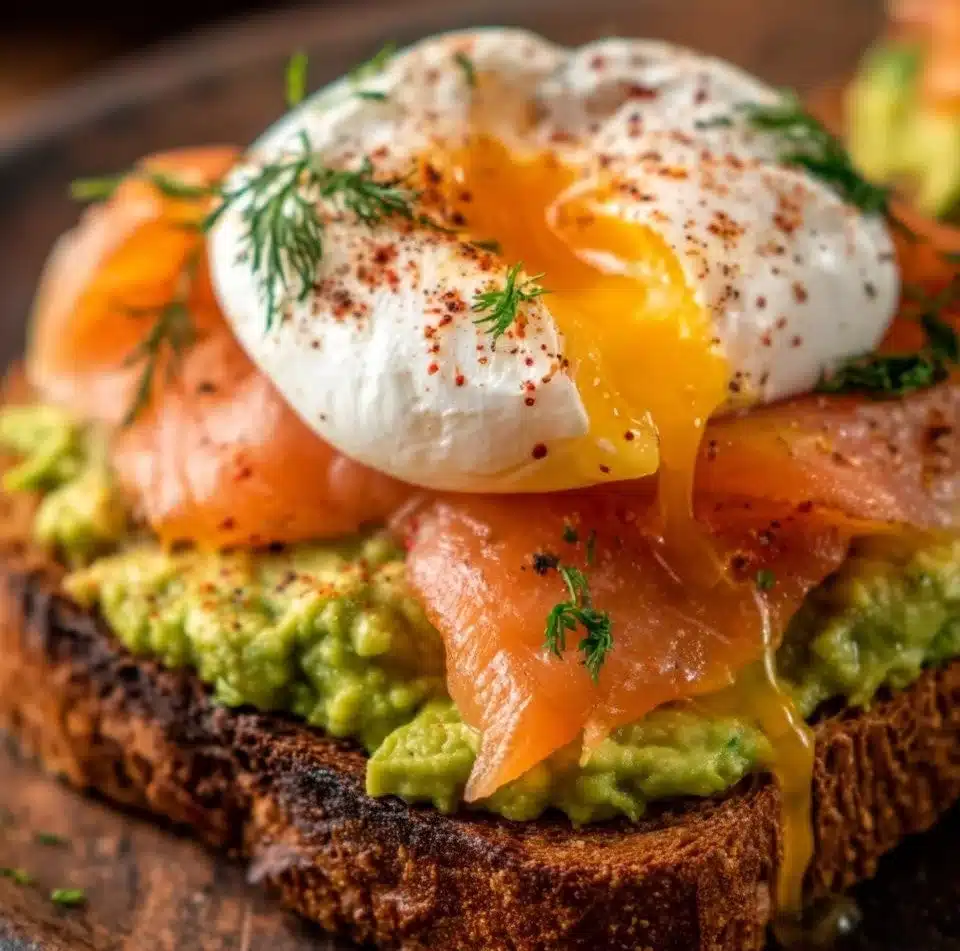
Poached Eggs
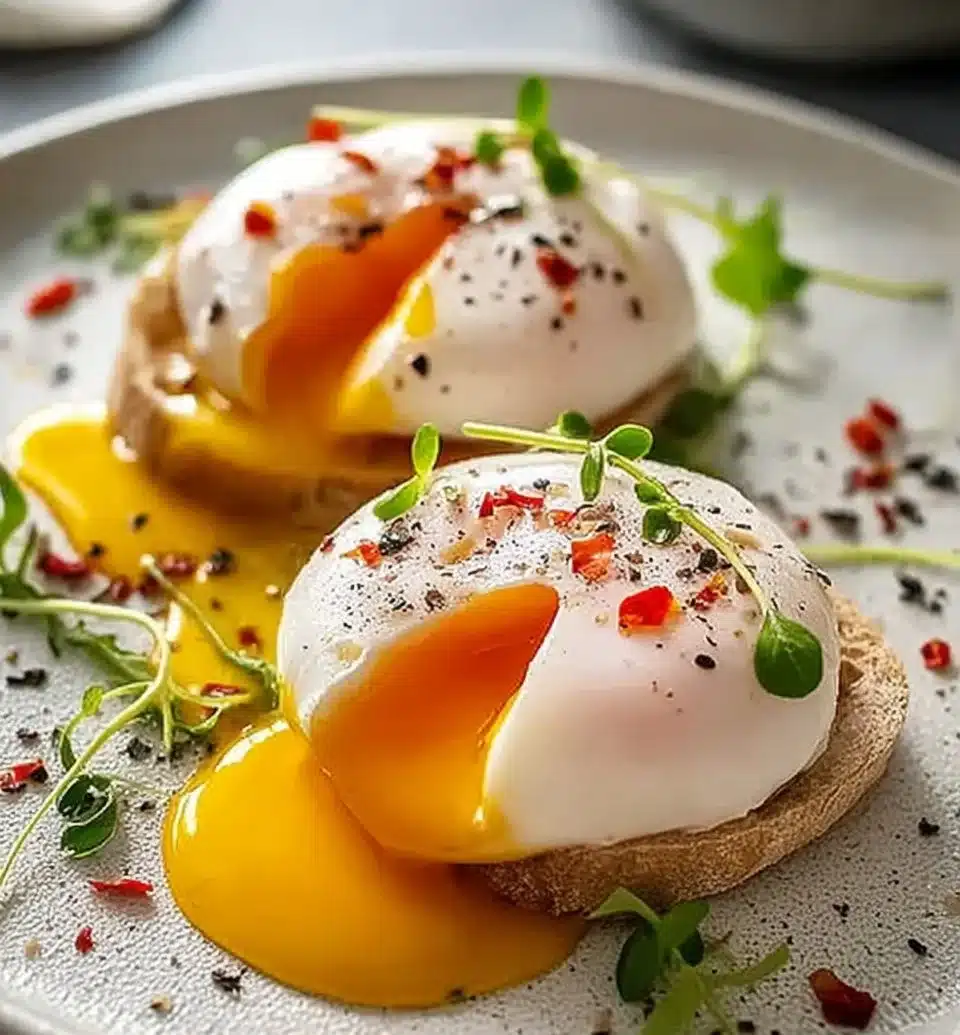
There’s something almost magical about the perfect poached egg. Just imagine sliding a knife through its tender, delicate skin, releasing that bright golden yolk to ooze onto toasted bread or a warm salad. It’s not just a dish; it’s a celebration of simplicity, flavor, and elegance. As I prepare poached eggs, memories flood back of cozy Sunday breakfasts, laughter around the table, and the tantalizing aroma that fills the kitchen.
For years, I’ve embraced this timeless classic, mastering the art of poaching. Today, I’m excited to share my journey with you, a kitchen adventure that promises to make your heart—and your taste buds—swoon over these exquisite poached eggs.
Exploring the Roots of Poached Eggs
What is it about poached eggs that has made them a beloved staple around the world? Originating as a versatile dish that dates back centuries, poached eggs have graced breakfast tables, brunch gatherings, and elegant dinners alike. Countries like France and England have their own takes, showcasing the poached egg’s adaptability in various dishes. From the French “oeufs pochés” elegantly served in sauces to the traditional English breakfast featuring perfectly poached eggs, this dish is as much about culture as it is about flavor.
In this recipe, we’ll draw on these rich traditions and take a comforting blend of water, eggs, salt, and a dash of vinegar—a classic pairing that elevates the already special poached egg to something heavenly.
Why You’ll Love This Poached Eggs
- Flavor Explosion: The velvety yolk and the gentle seasoning create a harmonious blend, making your taste buds sing.
- Quick and Convenient: This recipe is straightforward, so you can whip it up any time—with just a few ingredients, it’s a meal ready in minutes!
- Health Perks: Eggs are a fantastic source of protein, healthy fats, and vitamins, making poached eggs a nutritious choice for any meal.
- Family-Friendly: Kids love them! Serve poached eggs on toast with a sprinkle of cheese for a delightful family meal.
Who Will Enjoy This Poached Eggs Most
- Busy Families: Quick, healthy breakfast of champions!
- Health-Conscious Cooks: A nutritious dish packed with protein.
- Beginners: Perfectly poached eggs are a great skill to master without much fuss.
- Foodies: Elevate your brunch game with this elegant dish.
Perfect Moments to Enjoy Poached Eggs
- Cozy Weeknights: When you crave something warm and satisfying without a long prep time.
- Brunch Gatherings: Impress your friends with a quick poached egg bar.
- Holiday Feasts: A delightful addition to any festive meal.
- Lazy Sunday Mornings: There’s no better way to unwind than over perfectly poached eggs.
How to Make the Perfect Poached Eggs
Making poached eggs captures the essence of comfort cooking, and it’s an experience worth indulging in.
Ingredients
- Fresh eggs (preferably organic or free-range)
- Water
- White vinegar (1 tablespoon per liter of water)
- Salt (to taste)
Step-by-Step Instructions
- Bring a medium saucepan filled with 3 inches of water to a gentle simmer over medium heat.
- Add 1 tablespoon of white vinegar and a pinch of salt to the simmering water.
- Crack each egg into a small bowl for easy transfer.
- Stir the water gently to create a whirlpool effect.
- Carefully slide in the egg to the swirling water.
- Cook for 3-4 minutes for runny yolks or longer for firmer yolks.
- Use a slotted spoon to remove the egg.
- Drain on paper towels to absorb any excess water.
{image_2}
For People with Diabetes: Sugar Substitutes
- Stevia
- Monk fruit
- Allulose
Avoid honey or maple syrup, as they can spike blood sugar levels.
Essential Tools for Poached Eggs
- Medium saucepan
- Slotted spoon
- Small bowls for cracking eggs
- Timer for perfect cooking
Pro Tips to Elevate Your Poached Eggs
- Use Fresh Eggs: Freshness helps in achieving better consistency and form when poaching.
- Vinegar is Key: The vinegar helps the egg whites to set quickly, preventing them from becoming wispy in the water.
- Widely Recommended Technique: Slow, gentle stirring creates that beautiful whirlpool effect, keeping the egg white compact.
- Experiment with Timing: Adjust your cooking times to find your perfect runny yolk!
Storing and Reheating Tips
- Refrigerator: Store poached eggs in an airtight container for up to 2 days.
- Freezer: Raw poached eggs can be frozen, but it’s best to cook them before storing; although cooked eggs freeze rather poorly.
- Reheat: Place in simmering water for a few minutes until heated through, maintaining the delicate texture.
Common Mistakes to Avoid
- Boiling Water: Always use simmering water; boiling water can break apart the egg.
- Adding Too Many Eggs: Cook in batches for the best results. Overcrowding the pan can lead to uneven cooking.
- Skipping the Vinegar: Never skip the vinegar! It ensures a more cohesive egg white.
Your Poached Eggs Questions Answered
Can I use older eggs?
No, fresh eggs create better shape and texture when poached.
Are poached eggs safe to eat?
Yes, if cooked properly until the whites are set and yolks are at least partially firm.Can I poach eggs in advance?
It depends on your storage and reheating methods; it’s best enjoyed fresh!Can I add seasonings?
Yes, feel free to season the eggs or the poaching water with herbs or spices for extra flavor!What if my eggs fall apart?
It may mean they weren’t fresh enough or the water was boiling too hard.
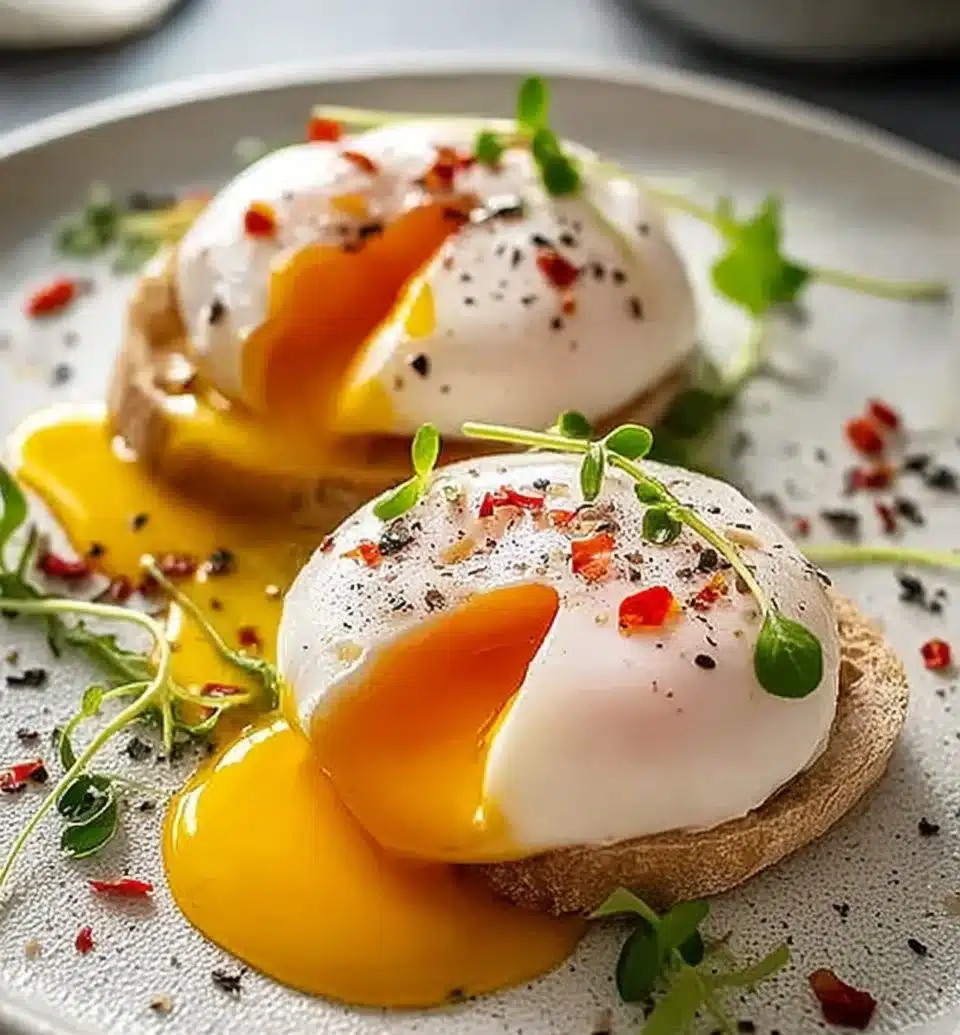
Wrapping Up: The Joy of Poached Eggs
In every velvety bite of poached eggs lies a story of comfort, warmth, and connection. Whether you’re treating your family or enjoying a moment to yourself, poached eggs are a timeless dish that deserves to be celebrated. Dive into the culinary adventure, and don’t forget to share your experiences or any twists you try in the comments below!
{image_template}
Print
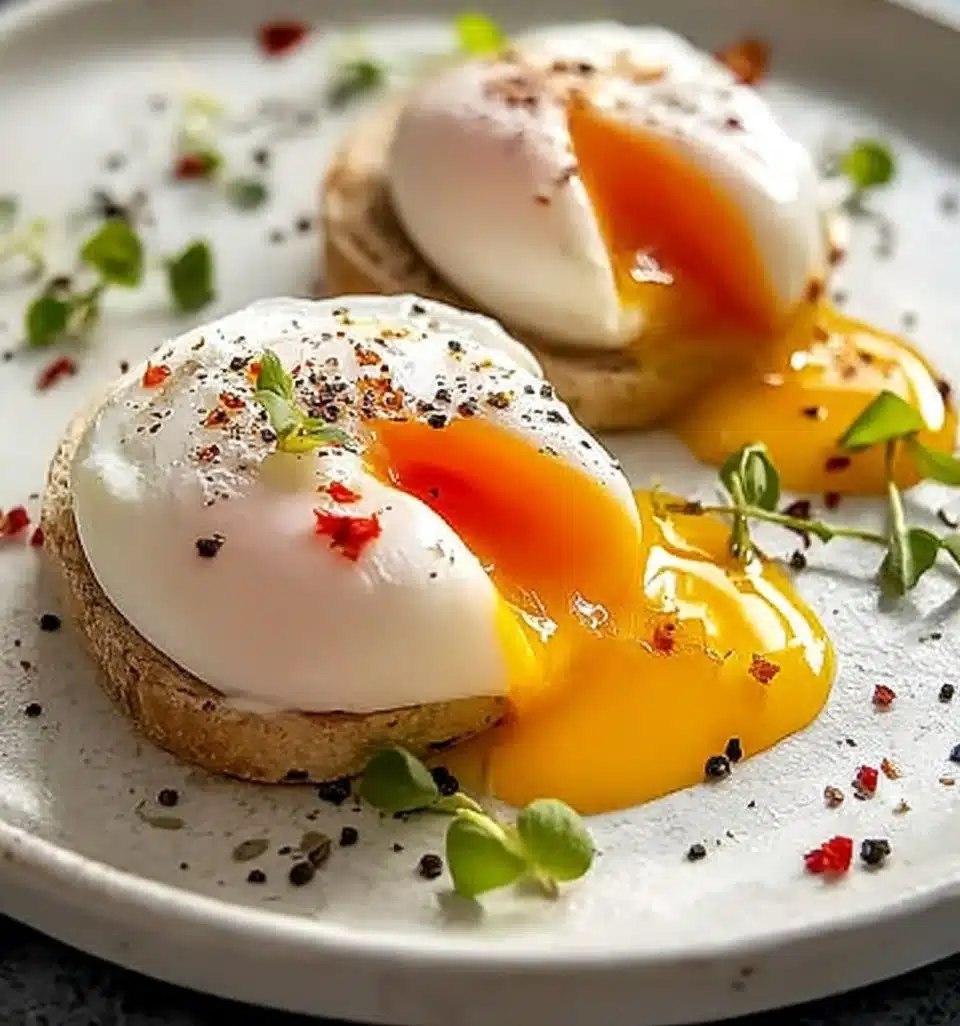
Perfect Poached Eggs
- Total Time: 15 minutes
- Yield: 2 servings 1x
- Diet: Vegetarian
Description
Master the art of poaching with these simple yet elegant poached eggs, perfect for any meal.
Ingredients
- Fresh eggs (preferably organic or free-range)
- Water
- White vinegar (1 tablespoon per liter of water)
- Salt (to taste)
Instructions
- Bring a medium saucepan filled with 3 inches of water to a gentle simmer over medium heat.
- Add 1 tablespoon of white vinegar and a pinch of salt to the simmering water.
- Crack each egg into a small bowl for easy transfer.
- Stir the water gently to create a whirlpool effect.
- Carefully slide in the egg to the swirling water.
- Cook for 3-4 minutes for runny yolks or longer for firmer yolks.
- Use a slotted spoon to remove the egg.
- Drain on paper towels to absorb any excess water.
Notes
Freshness helps in achieving better consistency. Use vinegar for a better set of egg whites.
- Prep Time: 5 minutes
- Cook Time: 10 minutes
- Category: Breakfast
- Method: Boiling
- Cuisine: American
Nutrition
- Serving Size: 1 egg
- Calories: 80
- Sugar: 0g
- Sodium: 50mg
- Fat: 5g
- Saturated Fat: 1.5g
- Unsaturated Fat: 3g
- Trans Fat: 0g
- Carbohydrates: 1g
- Fiber: 0g
- Protein: 7g
- Cholesterol: 210mg