This post may contain affiliate links.
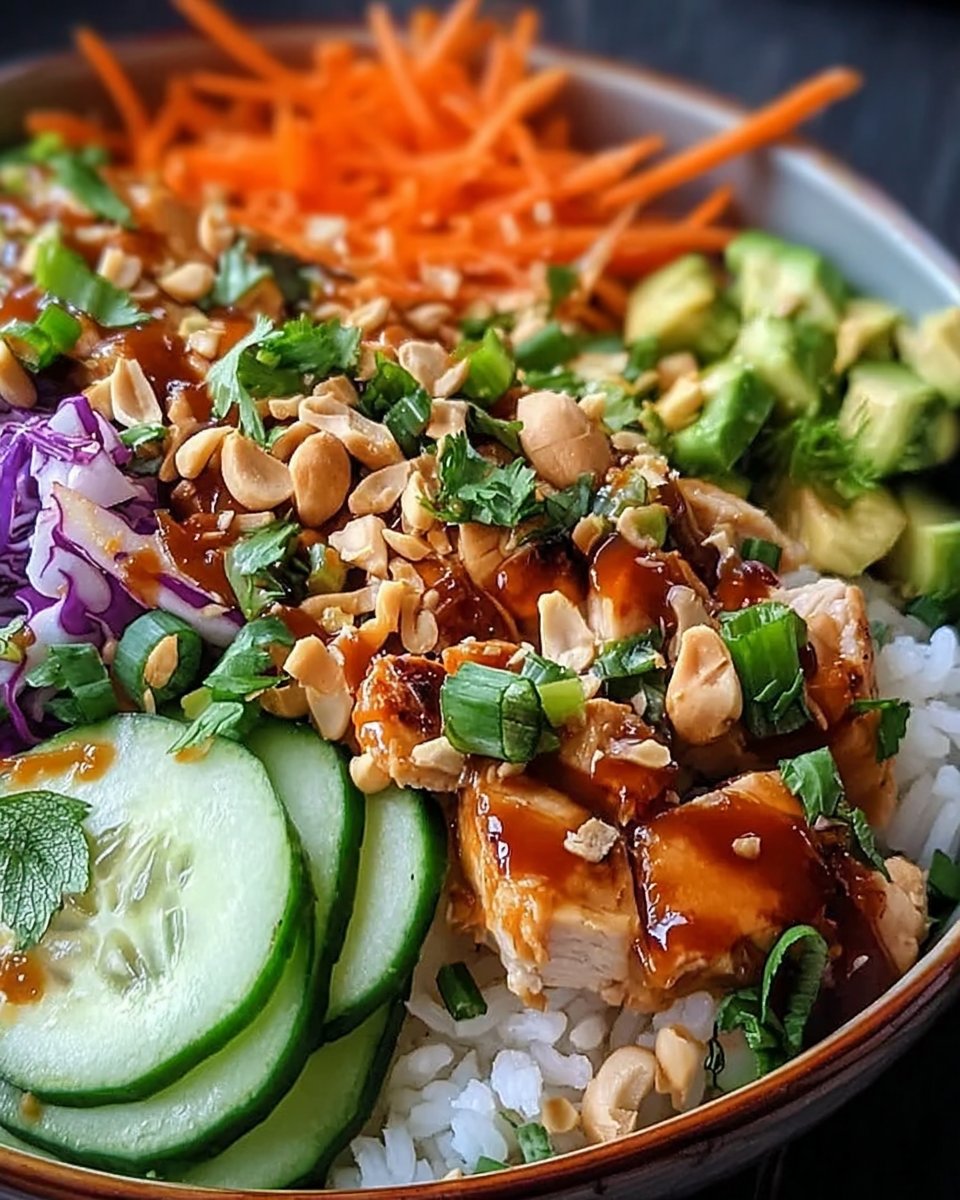
As the sun dips below the horizon and the aroma of roasted sweet potatoes fills my kitchen, I find myself in a moment of pure bliss. There’s something incredibly comforting about a warm, nourishing meal. Today, I’m excited to share my go-to recipe that has become a staple in my home—the Buddha Bowl with Thai Peanut Sauce. This dish is more than just a meal; it embodies the warmth of home-cooked food and the adventure of global flavors.
When I take the first bite of this Buddha Bowl with Thai Peanut Sauce, I am transported. The creamy, slightly spicy peanut sauce dances harmoniously with the earthy sweetness of roasted sweet potatoes, complemented beautifully by crisp, fresh vegetables. Each ingredient weaves a story of flavor and nourishment, and I can’t wait to share this experience with you.
What is Buddha Bowl with Thai Peanut Sauce?
The Buddha Bowl, often referred to as a “macro bowl,” is a colorful and nutritious dish typically filled with an array of wholesome ingredients. Originating from vegetarian food culture, the Buddha Bowl celebrates the vibrant colors and rich flavors found in simple, plant-based cooking.
At its core, this bowl combines grains, vegetables, and healthy fats, creating a meal that is not just filling but also deeply satisfying. My version features Thai peanut sauce, a smooth, rich concoction made from peanuts, that adds an irresistible twist. This dish is perfect for those who want to explore exciting flavors while keeping health at the forefront of their dining experience.
Why You’ll Love This Buddha Bowl with Thai Peanut Sauce
- Flavor Explosion: The delightful combination of sweet potatoes, fresh vegetables, and creamy Thai peanut sauce creates an explosion of flavor in each bite.
- Quick and Easy: With simple, easily accessible ingredients, this recipe comes together effortlessly, making it ideal for busy weeknights.
- Nutritionally Balanced: Packed with vitamins, healthy fats, and protein, this bowl provides a complete meal that satisfies not just your hunger, but also your health goals.
- Versatile: Whether served as a light lunch or a hearty dinner, this Buddha Bowl can be customized to suit any palate with your choice of protein.
Who Will Enjoy This Buddha Bowl with Thai Peanut Sauce Most
- Busy Families: Perfect for quick family dinners when everyone is on the go.
- Health-Conscious Individuals: A nutritious option for those looking to eat clean without sacrificing flavor.
- Beginners in the Kitchen: An excellent choice for new cooks, as it requires minimal skills and equipment.
- Food Enthusiasts: Those who enjoy exploring global flavors and experimenting with various ingredients.
Perfect Moments to Enjoy Buddha Bowl with Thai Peanut Sauce
- Weeknights: A wholesome meal for busy weekdays when you need something quick and easy.
- Casual Gatherings: Impress your friends at a potluck or casual dinner party with this vibrant dish.
- Cozy Nights In: Ideal for those evenings when you want something comforting and fulfilling.
- Meal Prep: Make ahead for lunches throughout the week, as this bowl holds up beautifully in the fridge.
How to Make the Perfect Buddha Bowl with Thai Peanut Sauce
Creating your own Buddha Bowl with Thai Peanut Sauce is a rewarding experience. Here’s how to bring this dish to life in your kitchen!
Ingredients
- 1 cup rice or quinoa
- 2 medium sweet potatoes, roasted
- 1 cup mixed vegetables (e.g., bell peppers, carrots, cucumbers)
- 1/2 cup Thai peanut sauce
- Salt and pepper to taste
- Optional: protein of choice (e.g., tofu, chicken, shrimp)
- Fresh cilantro for garnish
Step-by-Step Instructions
- Cook the rice or quinoa according to package instructions.
- Preheat the oven to 400°F (200°C) and roast the sweet potatoes until tender, about 25-30 minutes.
- Combine the cooked rice or quinoa with roasted sweet potatoes and mixed vegetables in a bowl.
- Drizzle Thai peanut sauce over the top and mix well to combine.
- Add protein if desired, season with salt and pepper, and garnish with fresh cilantro.
- Serve warm and enjoy.
For People with Diabetes: Sugar Substitutes
When making the Thai peanut sauce or if you’re looking to incorporate sweetness in your dish, suitable sugar-free alternatives include stevia, monk fruit, and allulose. However, be cautious about using sweeteners like honey or maple syrup, as they contain natural sugars that can spike blood glucose levels.
Essential Tools for Buddha Bowl with Thai Peanut Sauce
- Baking sheet
- Mixing bowl
- Cooking pot for quinoa or rice
- Knife and cutting board
- Measuring cups and spoons
Pro Tips to Elevate Your Buddha Bowl with Thai Peanut Sauce
- Roast your veggies: Elevate flavor by roasting mixed vegetables instead of just adding them raw.
- Make it colorful: Use a variety of colorful vegetables to create a visually appealing dish.
- Prepare in advance: Meal prep by cooking larger batches of quinoa and roasted vegetables at the start of the week.
- Extra crunch: Top with chopped peanuts or sesame seeds for added texture.
Storing and Reheating Tips
- Refrigerate: Store leftovers in an airtight container for up to 4 days in the fridge.
- Freeze: If you want to store it longer, you can freeze individual portions for up to 3 months, although the fresh veggies will taste best when prepared fresh.
- Reheat: Warm in the microwave until heated through or in the oven at 350°F until hot.
Common Mistakes to Avoid
- Overcooking the sweet potatoes: Keep an eye on them to ensure they don’t become mushy.
- Skipping the salt and pepper: These simple seasonings can elevate the entire dish.
- Using too much sauce: Start with a small amount of Thai peanut sauce, adding more to taste, to prevent overwhelming the other flavors.
- Ignoring texture: Balance cooked ingredients with fresh, crunchy ones for a more inviting dish.
FAQs About Buddha Bowl with Thai Peanut Sauce
Can I use a different grain instead of rice or quinoa?
Yes, you can substitute barley, farro, or even couscous for a delightful twist on this dish.Is this Buddha Bowl suitable for meal prep?
Yes, it holds up well in the fridge and can be eaten cold or warmed up.Can I make this dish vegan?
It depends on the protein you choose; stick with tofu or omit any animal-based proteins for a completely vegan meal.How can I adjust the spice level of the Thai peanut sauce?
You can dilute the sauce with a bit of water or add coconut milk for a milder flavor.Is Buddha Bowl with Thai Peanut Sauce gluten-free?
No, unless you ensure your Thai peanut sauce is gluten-free and use gluten-free grains.
Wrapping Up: The Joy of Buddha Bowl with Thai Peanut Sauce
As you savor each bite of this Buddha Bowl with Thai Peanut Sauce, I hope the warm and vibrant flavors fill your kitchen with joy. This dish is a celebration of health, flavor, and comfort—all in one bowl. Please share your thoughts or variations in the comments below! Happy cooking!
Buddha Bowl with Thai Peanut Sauce
- Total Time: 45 minutes
- Yield: 4 servings 1x
- Diet: Vegetarian
Description
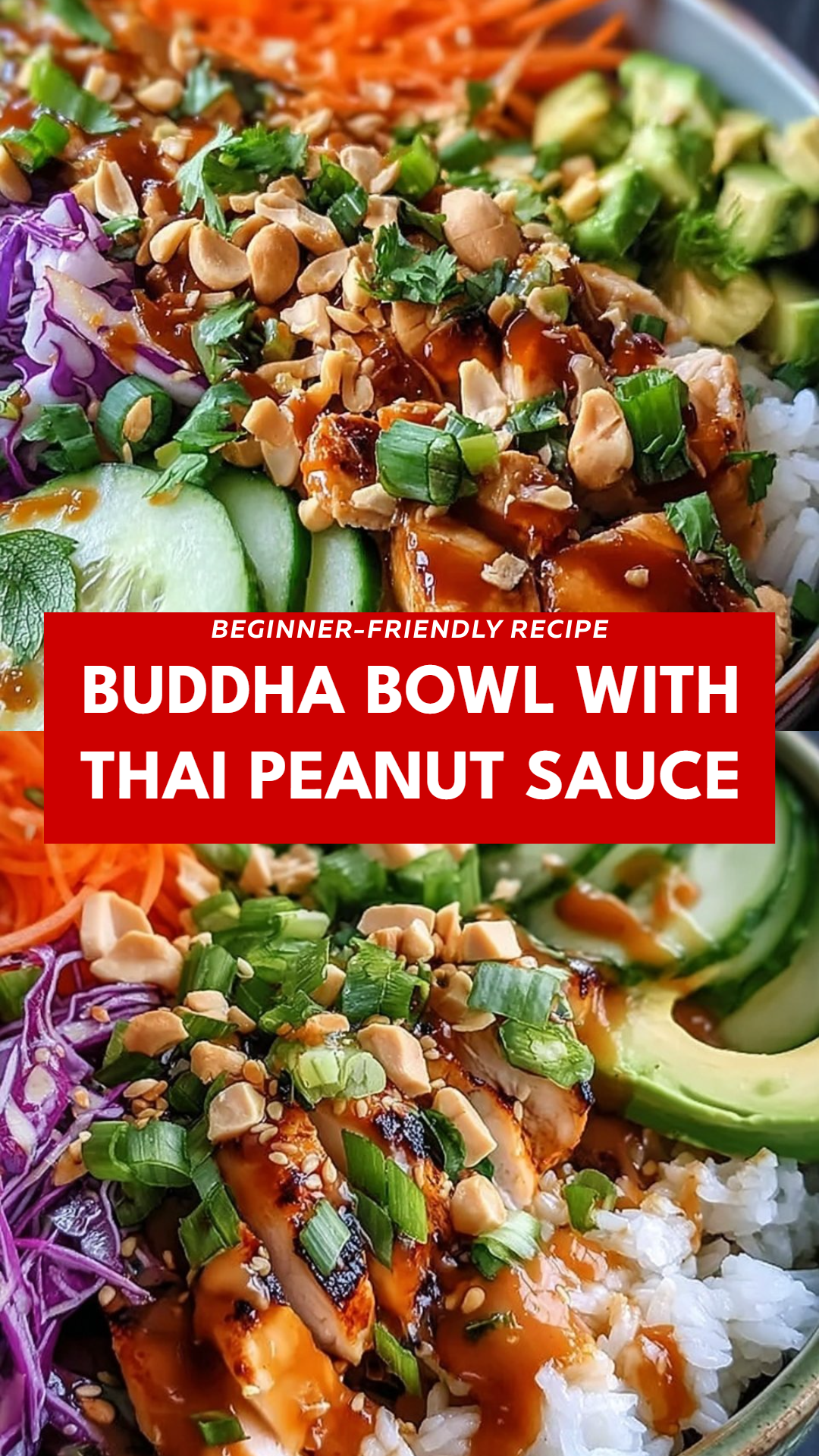
A nourishing and colorful Buddha Bowl featuring roasted sweet potatoes, fresh vegetables, and a creamy Thai peanut sauce.
Ingredients
- 1 cup rice or quinoa
- 2 medium sweet potatoes, roasted
- 1 cup mixed vegetables (e.g., bell peppers, carrots, cucumbers)
- 1/2 cup Thai peanut sauce
- Salt and pepper to taste
- Optional: protein of choice (e.g., tofu, chicken, shrimp)
- Fresh cilantro for garnish
Instructions
- Cook the rice or quinoa according to package instructions.
- Preheat the oven to 400°F (200°C) and roast the sweet potatoes until tender, about 25-30 minutes.
- Combine the cooked rice or quinoa with roasted sweet potatoes and mixed vegetables in a bowl.
- Drizzle Thai peanut sauce over the top and mix well to combine.
- Add protein if desired, season with salt and pepper, and garnish with fresh cilantro.
- Serve warm and enjoy.
Notes
For a variation, try using different grains or add additional toppings like chopped peanuts or sesame seeds for extra crunch.
- Prep Time: 15 minutes
- Cook Time: 30 minutes
- Category: main course
- Method: Baking
- Cuisine: Thai
Nutrition
- Serving Size: 1 serving
- Calories: 450
- Sugar: 7g
- Sodium: 350mg
- Fat: 18g
- Saturated Fat: 3g
- Unsaturated Fat: 12g
- Trans Fat: 0g
- Carbohydrates: 60g
- Fiber: 7g
- Protein: 12g
- Cholesterol: 0mg
