This post may contain affiliate links.
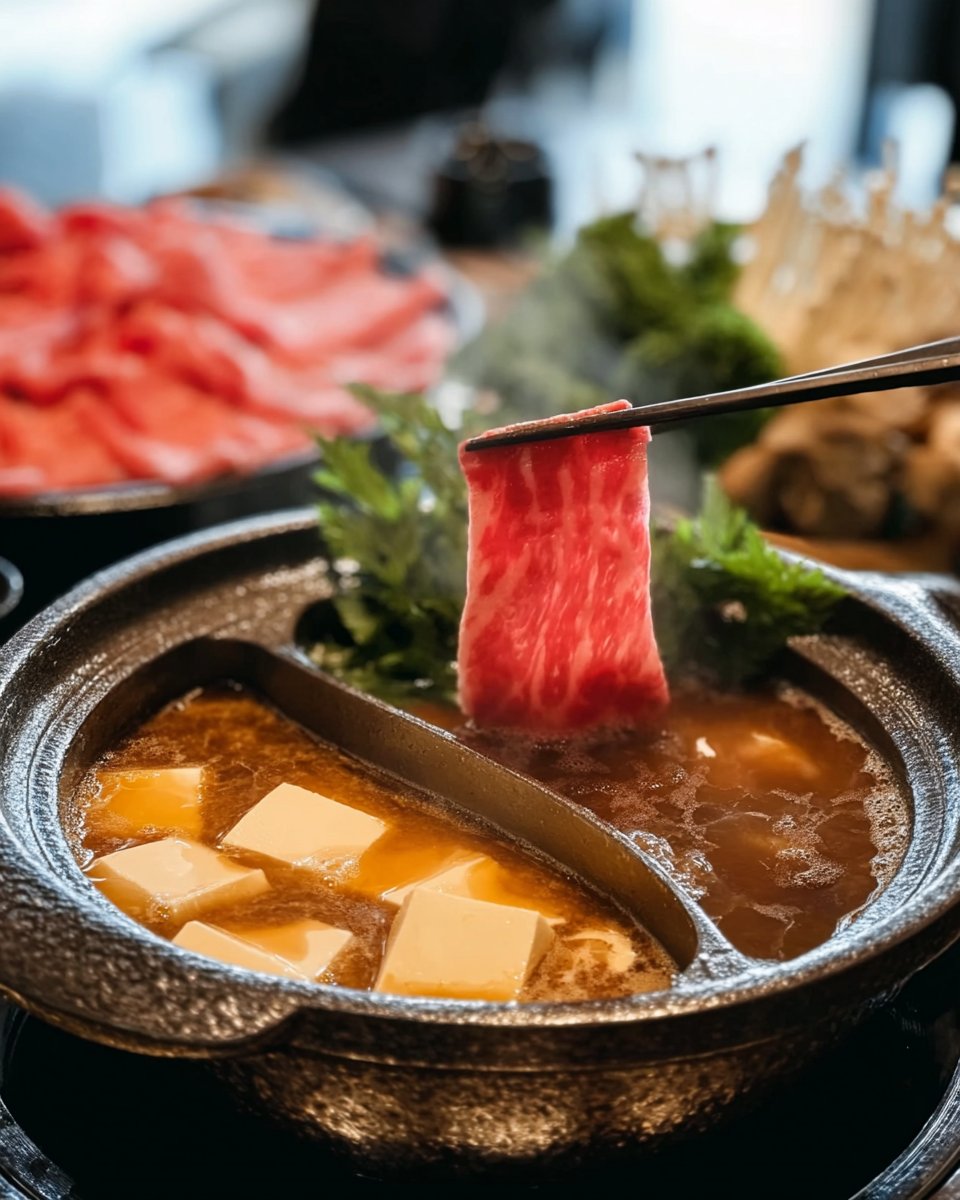
There’s something inherently comforting about gathering around a boiling pot of fragrant broth, sharing laughter and stories as we dip in our chosen morsels. Traditional Shabu Shabu embodies this spirit—a lively dining experience that invites you to create your meal at the table, engaging with family and friends in the process. The fresh ingredients, vibrant colors, and delightful umami flavors make it a dish I look forward to preparing and enjoying every time.
As the broth simmers, the sounds of bubbling water and sizzling meat blend together, creating a symphony of aromas that dance in the air. This is more than just a meal; it’s a cherished tradition that echoes warmth and togetherness. Traditional Shabu Shabu is not merely about the food; it’s about the experience, the connections, and the endless possibilities of flavors that await.
Exploring the Roots of Traditional Shabu Shabu
Traditional Shabu Shabu is a Japanese hot pot dish that traces its roots back to the 20th century in Osaka. While it has evolved over time, its essence remains the same—a communal dining experience centered around cooking thinly sliced meat and fresh vegetables in a simmering broth. The very name, "Shabu Shabu," comes from the sound of the ingredients being swirled in the broth, a sensory delight that emphasizes the playful yet intimate nature of the meal. You’ll find that every region in Japan embraces its twist on Shabu Shabu, reflecting local tastes and ingredients.
In Japan, Shabu Shabu is often enjoyed with family during significant gatherings or special occasions, capturing the heart of Japanese dining philosophy—sharing and savoring food together.
Why You’ll Love This Traditional Shabu Shabu
- Flavor Exploration: The delicate balance of umami from the broth, perfectly paired with fresh, seasonal ingredients, provides a delicious canvas for various flavors.
- Customizable Experience: Listeners can adapt the ingredients based on preference and availability, making it ideal for both meat lovers and vegetarians.
- Health Benefits: Fresh vegetables, lean proteins, and tofu create a satisfying yet nutritious meal.
- Social Engagement: It’s a fun cooking method where everyone plays a part, making it perfect for gatherings or simple family dinners.
Who Will Enjoy This Traditional Shabu Shabu Most
- Busy families looking for a fun dining experience.
- Foodies wanting to explore Japanese cuisine.
- Health-conscious cooks who appreciate fresh ingredients.
- Beginners eager to try their hand at simple cooking techniques.
Perfect Moments to Enjoy Traditional Shabu Shabu
- Weeknight dinners when you want something interactive and fun.
- Holiday meals, bringing friends and family around the table.
- Cozy nights in, sharing stories over simmering broth and comfort food.
- Celebrations of significant milestones and gatherings, creating lasting memories.
How to Make the Perfect Traditional Shabu Shabu
Creating traditional Shabu Shabu is a delightful process that combines patience with creativity. Gather your ingredients, set the table, and prepare for a memorable experience.
Ingredients
- 10 g dried kelp (kombu)
- 1 liter water
- 3 tbsp sake
- Yuzu peel (optional)
- 450 g thinly sliced beef
- 200 g Napa cabbage (roughly cut)
- 100 g chrysanthemum greens (shungiku) (halved)
- 50 g carrot (peeled and thinly sliced)
- 100 g enoki mushrooms (roots removed)
- 100 g firm tofu (cubed)
- 4 fresh shiitake mushrooms (stems trimmed)
- 100 g bean sprouts
- 50 g thin glass noodles (harusame)
- 200 g cooked udon noodles (optional)
- 4 cut rice cakes (kirimochi) (toasted, optional)
- Ponzu sauce
- Finely chopped green onions (optional)
- Grated daikon radish (daikon oroshi) (optional)
- Spicy grated daikon radish (momiji oroshi) (optional)
- 2 tbsp sesame paste (nerigoma)
- 1 tbsp Japanese soy sauce (koikuchi shoyu)
- 2 tbsp rice vinegar (unseasoned)
- ½ tbsp yellow miso paste (awase)
- 2 tbsp sugar
- Garlic chive(s) (finely chopped, optional)
- Chili oil (rayu) (optional)
- Grated garlic (optional)
Step-by-Step Instructions
- Soak the dried kelp (kombu) in 1 liter of water for about 30 minutes to extract its umami flavor.
- Bring the soaked kombu water to a gentle simmer over medium heat.
- Add 3 tbsp of sake to the broth, enhancing the flavor. Optional: Include yuzu peel for an aromatic touch.
- Remove the kombu after the broth reaches a simmer.
- Arrange thinly sliced beef, vegetables, tofu, and mushrooms on a platter.
- Invite family and friends to dip their chosen ingredients into the simmering broth.
- Pair with ponzu sauce for a delightful dipping experience.
- Serve additional garnishes like green onions, daikon, or spicy daikon radish for added flair.
- Enjoy the fun of hot pot dining, mingling and creating a memorable meal together.
For People with Diabetes: Sugar Substitutes
- Stevia: A natural sweetener with zero calories, perfect for keeping the dish light.
- Monk Fruit: Offers sweetness without raising blood sugar levels.
- Allulose: A low-calorie sugar that still retains a sugar-like taste.
Avoid honey and maple syrup, as they can raise glucose levels.
Must-Have Tools for This Recipe
- A large pot for simmering broth.
- Sharp knife for slicing ingredients.
- Platter for serving and arranging ingredients.
- Ladles and chopsticks for easy dipping.
- Cooking chopsticks or tongs for ease of handling.
Expert Cooking Tips
- Quality Ingredients: Use the freshest vegetables and high-quality beef for the best flavor.
- Broth Balance: Taste the broth as it cooks; adjust the seasoning slowly for an ideal flavor profile.
- Interactive Preparation: Allow guests to participate in the cooking process—they may enjoy it more!
Common Mistakes to Avoid
- Overcrowding the Pot: Adding too many ingredients at once can lower the broth’s temperature and hinder cooking.
- Skipping the Soak: Don’t rush the kelp soaking; proper soaking enhances the broth’s umami flavor immensely.
- Forgetting the Dipping Sauce: Ponzu is essential! Without it, the meal lacks that final burst of flavor.
Frequently Asked Questions: Traditional Shabu Shabu
Can I use chicken instead of beef?
Yes, chicken can be a great substitute for those who prefer poultry.Is Shabu Shabu gluten-free?
It depends. Use tamari instead of soy sauce to make it gluten-free.Can I prepare the broth in advance?
Yes, you can prepare the broth ahead of time and warm it up when ready to serve.What vegetables should I include?
Fresh and seasonal vegetables like mushrooms, cabbage, and chard work beautifully.Do I need special equipment?
No, a simple pot and utensils are all you need to enjoy this dish.
Wrapping Up: The Joy of Traditional Shabu Shabu
As I reminisce about my experiences with Traditional Shabu Shabu, I am reminded of the laughter and joy that simple ingredients can bring when shared around the table. This dish deserves a spot in your kitchen repertoire, offering not just a meal but an experience that fosters connection and fun. I invite you to try this recipe and share your thoughts in the comments below. Happy cooking!
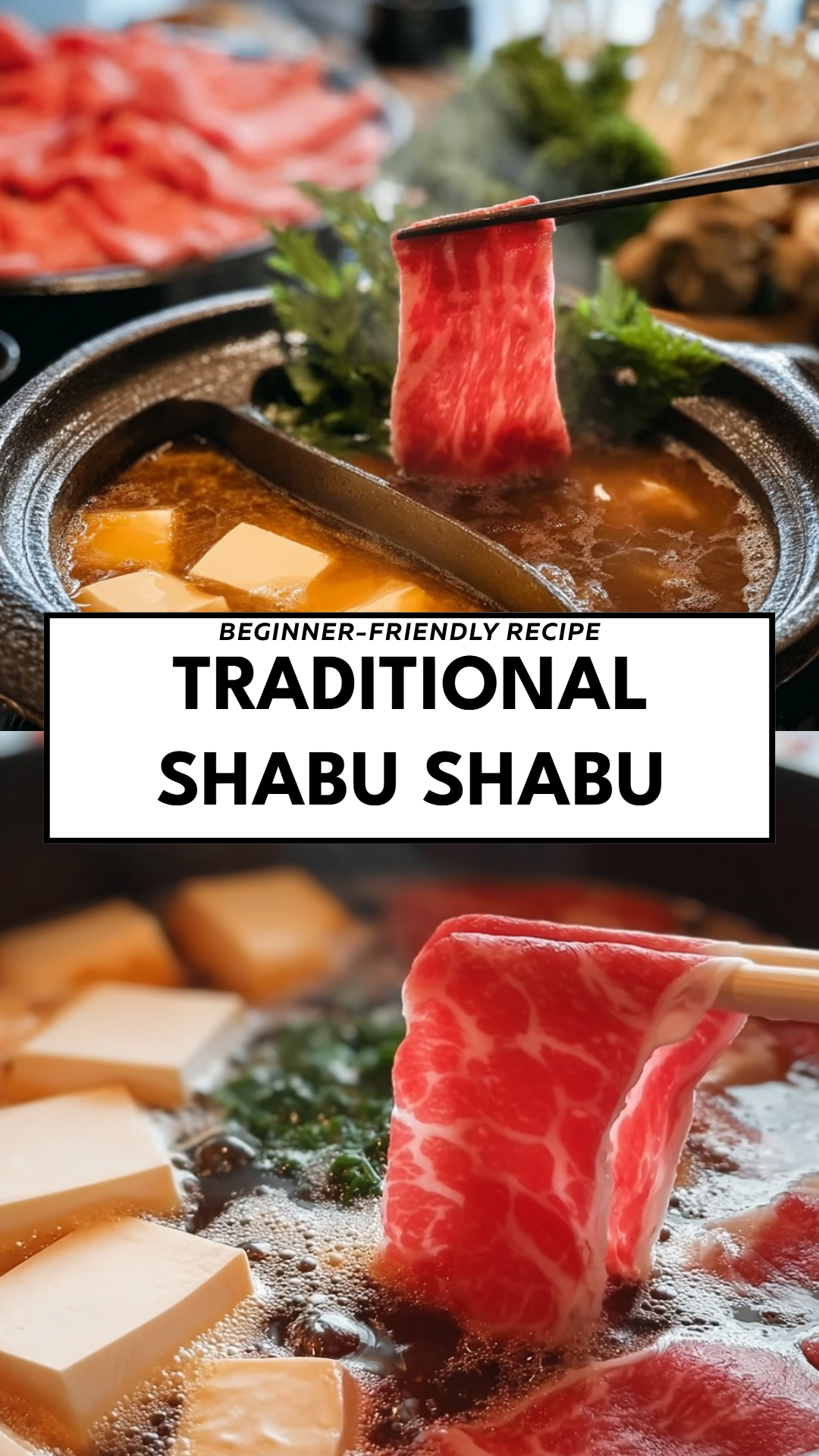
Traditional Shabu Shabu
- Total Time: 50 minutes
- Yield: 4 servings 1x
- Diet: Dairy-Free, Gluten-Free
Description
A delightful Japanese hot pot dish that combines thinly sliced meat and fresh vegetables in a simmering broth, perfect for sharing with family and friends.
Ingredients
- 10 g dried kelp (kombu)
- 1 liter water
- 3 tbsp sake
- Yuzu peel (optional)
- 450 g thinly sliced beef
- 200 g Napa cabbage (roughly cut)
- 100 g chrysanthemum greens (shungiku) (halved)
- 50 g carrot (peeled and thinly sliced)
- 100 g enoki mushrooms (roots removed)
- 100 g firm tofu (cubed)
- 4 fresh shiitake mushrooms (stems trimmed)
- 100 g bean sprouts
- 50 g thin glass noodles (harusame)
- 200 g cooked udon noodles (optional)
- 4 cut rice cakes (kirimochi) (toasted, optional)
- Ponzu sauce
- Finely chopped green onions (optional)
- Grated daikon radish (daikon oroshi) (optional)
- Spicy grated daikon radish (momiji oroshi) (optional)
- 2 tbsp sesame paste (nerigoma)
- 1 tbsp Japanese soy sauce (koikuchi shoyu)
- 2 tbsp rice vinegar (unseasoned)
- ½ tbsp yellow miso paste (awase)
- 2 tbsp sugar
- Garlic chive(s) (finely chopped, optional)
- Chili oil (rayu) (optional)
- Grated garlic (optional)
Instructions
- Soak the dried kelp (kombu) in 1 liter of water for about 30 minutes to extract its umami flavor.
- Bring the soaked kombu water to a gentle simmer over medium heat.
- Add 3 tbsp of sake to the broth, enhancing the flavor. Optional: Include yuzu peel for an aromatic touch.
- Remove the kombu after the broth reaches a simmer.
- Arrange thinly sliced beef, vegetables, tofu, and mushrooms on a platter.
- Invite family and friends to dip their chosen ingredients into the simmering broth.
- Pair with ponzu sauce for a delightful dipping experience.
- Serve additional garnishes like green onions, daikon, or spicy daikon radish for added flair.
- Enjoy the fun of hot pot dining, mingling and creating a memorable meal together.
Notes
Allow guests to participate in cooking for an interactive experience. Ensure to adjust the broth’s seasoning for ideal flavor.
- Prep Time: 30 minutes
- Cook Time: 20 minutes
- Category: main course
- Method: Hot Pot
- Cuisine: Japanese
Nutrition
- Serving Size: 1 serving
- Calories: 400
- Sugar: 7g
- Sodium: 600mg
- Fat: 15g
- Saturated Fat: 3g
- Unsaturated Fat: 10g
- Trans Fat: 0g
- Carbohydrates: 40g
- Fiber: 5g
- Protein: 25g
- Cholesterol: 45mg
